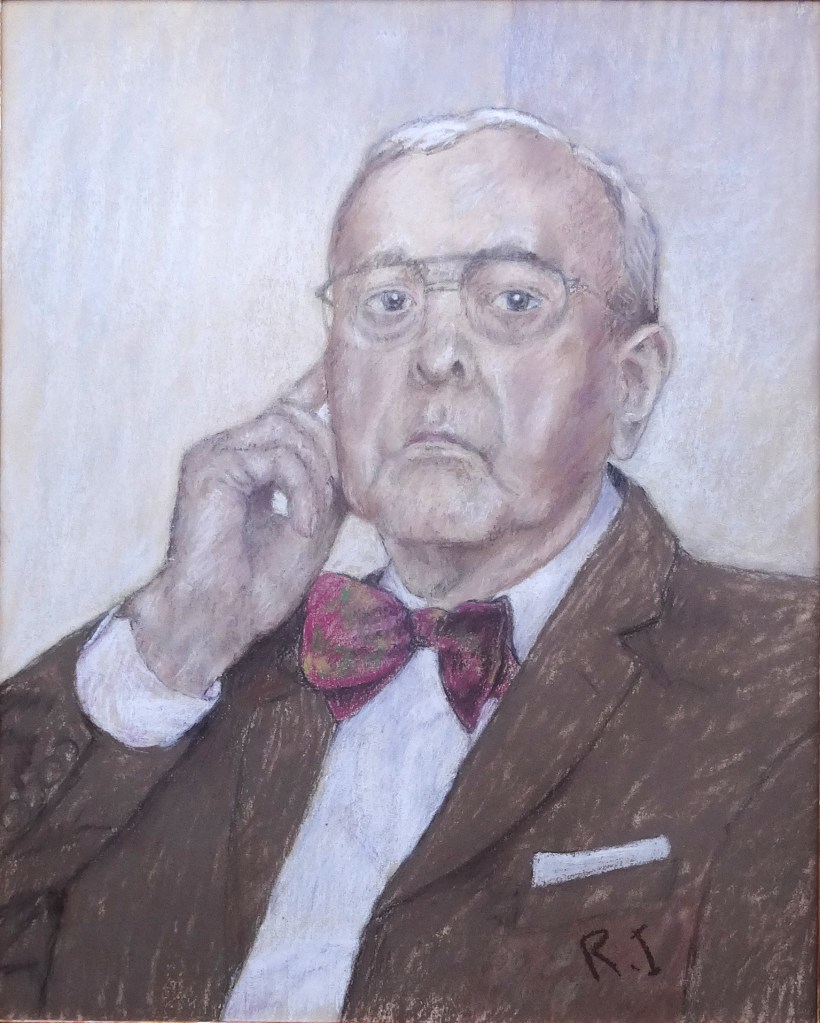
About

The Artist’s Journey from Childhood to Experience

The Artist was born in Leicester and christened Rodney Arthur Ison. His little, older brother, was told daddy (Arthur) had given a baby (him) to mummy as a gift. In his mind this was a baby Arthur. He told everyone he met he was going to have a ‘bibby arfur.’ It was important therefore, that his baby brother be named Arthur. The Artist was brought up close to the countryside. This no doubt contributed to the love of open space he has and the freedom it promises.

Early Life

From a very young age he developed a passion for drawing as a way of self expression. He found solace in the gentle stokes of the pencil on paper. At times, finding himself without paper on which to draw, he drew on the margins of his father’s books. He was hardly without a pencil in his hand, often seen sketching the world around him. He wanted to capture the beauty of people and animals, and the essence of life itself.

The Child’s View

The eyes of the child saw stories in every shadow and colours in every corner. This allowed his imagination to breath life into each character or creature he drew. These early experiences honed his artistic skills. They also solidified his belief in the power of art as a universal language. In consequence, this enabled him to share his unique perspective of the world with others.

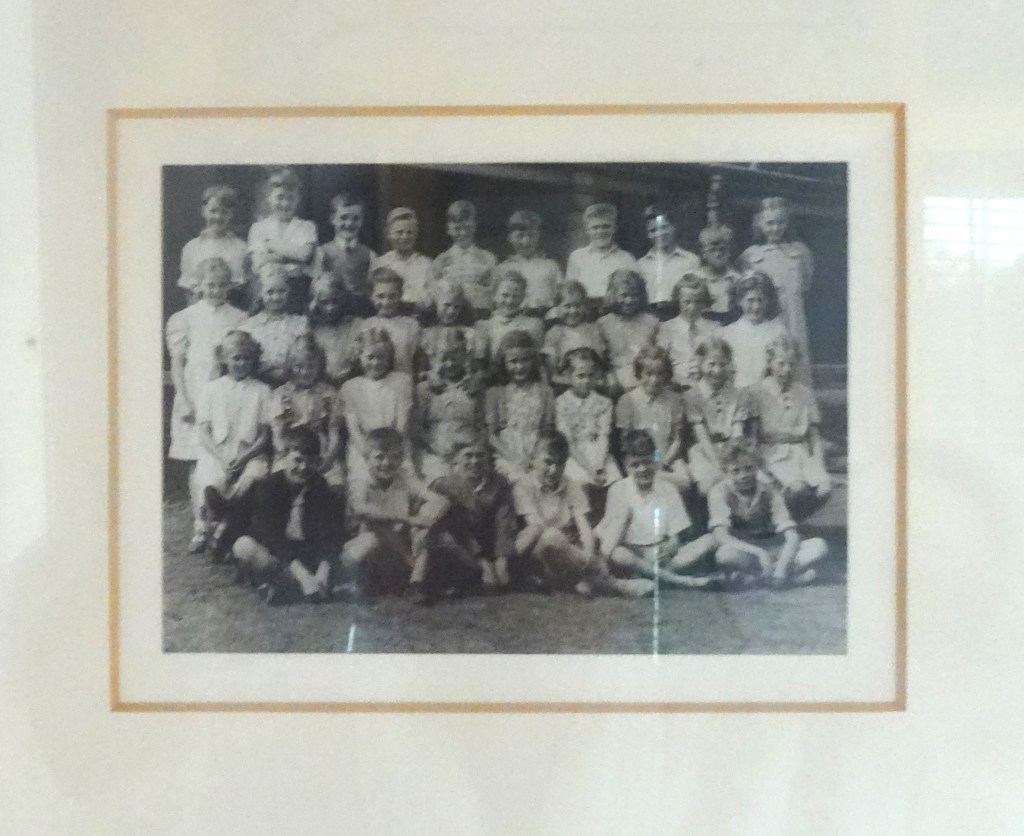
Junior school photo taken in the last year at age eleven. The Artist is fifth left, top row.

His older brother began attending school at five years old when he was three. One day after he and his mother taking his brother to school he was missing. His mother, frantic, rushed out to find him. He was being brought home by a young school attendant. He had gone to school like his brother. Next day he went missing again. His mother never discovered how he got out. The school head suggested it was safer to admit him to school than go on returning him. It wasn’t a quest for learning. He wanted to be like his brother.

Senior School

The School Itself: From junior school he won a place at Alderman Newton’s Boys Grammar School in the City center. The building still stands on Grey Friars. It was built of red brick in Victorian times. He walked down the street countless times to get to school. He never imagined he was walking past the resting place of Richard 111. His remains were later discovered and are now buried in Leicester Cathedral.

This is a view of part of the former Alderman Newton’s Boys Grammar School. It is now used as a conference center by the neighbouring cathedral. The view shows the top window of the assembly hall. The hall is the height of the top floor. It has an impressive cruck beam ceiling. Though a large space it was never large enough. It did not accommodate all the pupils together. The school always reminds the Artist of a quote of George Eliot, otherwise the Victorian writer Mary Ann Evans. She wrote of the grammar school boy: ‘…he was given a glimpse of paradise but not allowed to go in.’ He was between lower and higher school. He knew of the existence of higher school. But he was not allowed to reach the social height of the higher school boy.

Life at the School: The building was built to accommodate 500 pupils. There were about 1,000 in attendance when the Artist joined. He felt discomfort and wondered why. Later he was diagnosed with the syndrome ‘an unreasonable fear of crowds.’ This was the reason for his discomfort for which there is no known cure. Later still he discovered he has Asperger’s Syndrome.

His Ability Developed: It soon became clear he had skill in drawing and painting. At school he consistently won the art prize for his level each year. He graduated to drawing caricatures of school-masters in the style of Ronald Searle. Ronald was a masterful illustrator with a unique and inimitable style.

Ronald Searle was taken prisoner by the Japanese during World War 2 in 1942. He suffered many privations working on the notorious Burma Railroad. He managed to keep an illustrated diary which was later published as ‘To The Kwai-And Back.’ He eventually went to live in the south of France. He lived to the ripe old age of 91 and died in December 2011.

Self portrait. Executed in 1943 in the notorious Changi Gaol . He did not expect to survive. He did and by it brought untold pleasure to others.

In Search of a Style

Early Development: The Artist showcased a remarkable ability to capture the essence of the masters in a humorous light. His newfound skill made for immense popularity with most of his classmates. They delighted in his funny yet poignant depictions of their tutors. They would hardly wait for him to finish a drawing before snatching it away and carrying it off in triumph.

Cartoon by the Artist when young in the style of Ronald Searle.

This was one not pilfered, one which managed to escape clutching hands. The subject is of a master the Artist did not like. He put him in the role of a prison warder he had heard about. The warder was reported to be ‘not a nice man.’ He had an evil reputation among the inmates.

Hotels at that time offered a shoe cleaning service. The guests left their shoes outside the door of their room. During the night they were taken and polished by the ‘Boot Boy.’ Next day the guest would find their shoes bright and well shone.

At a Crossroads

Upon Leaving School: His passion for art was unwavering. Yet his parents did not allow him to continue studying it. They believed instead he should pursue a more stable occupation. They were alarmed by the antics and morality, or lack of it, of many prominent artists of the day. They perceived them as extravagant and reckless individuals who lost themselves to their caprice.

Life’s Course: They wanted to protect him from degradation and give him a traditional career. This was one they thought would safeguard his future. It would keep him from straying down what they considered a precarious path. Their choice protected him from dissolute influence. At the same time it limited his development as an artist. Even at that age he did not subscribe to the Work Ethic. Get a job, any job will do so long as it earns a living. He has always strongly believed everyone be allowed to find their vocation.

At Work

Finding himself unable to continue an artistic career the Artist turned to the craft of woodcarver and gilder. Both are an artform in themselves. This enabled him to earn a living while pursuing a creative occupation. It lead to him finally taking over the prestigious firm of Richard Haworth, Blackburn. He was an art dealer, picture framer and restorer and a man of utmost integrity. The artist carried on his tradition.

A Learning Curve

Learning two crafts together added to his skills. It also provided both the opportunity and incentive to continue applying himself to painting. Here he expressed his vibrant imagination and explored new artistic horizons. The interplay between his framing ability and painting further enriched his understanding of aesthetics. This enabled him to create artworks that seamlessly merged the two disciplines.

Developing a Gift

The true artist’s creative spirit needs to be fed to stay alive. The Artist discovered an ability for precise drawing particularly in portraiture. He attended life drawing class which is indispensable to the art of good drawing. During this time he learned the many intricacies connected to drawing the human face. One of these is the way right handed artists slope the drawing to the left. And left handed artists the right. Being conscious of this helps the artist avoid the tendency.

Ruby Sleeping.

This drawing of Ruby, a little girl of African descent, was done in a few minutes. The little girl just fell asleep as children do. The Artist picked up a piece of paper and brown chalk to quickly record the beauty he saw. Note how essential it was to get the right to left slope feature correct.

No Regrets

The Artist does not regret the occupation of woodcarver and gilder. It helped him to develop as a creative person, nurturing his artistic instincts in profound ways. The two occupations allow for producing a frame from start to finish. It transforms raw materials into beautiful, finished pieces. This process is a joy in itself, as each stage presents new challenges and learning opportunities.

Multiple Skills

Having the capacity to produce both painting and frame adds to this joy. It creates a harmonious relationship between the two. How a well-crafted frame can enhance the beauty of an artwork. By drawing the viewer’s eye into the whole work it elevates the overall aesthetic experience.

Portrait of Maeve

An elaborate frame would have overpowered the picture. The carving was kept small and limited to the outer edge. It is enough to arrest the eye. The gilding is with white gold. This gives a more gentle finish to the frame. The inner and outer edge are distressed to show the underneath colour. Red was chosen as compatible with the picture. Both edges have been burnished to create highlights. The center spoon has been frosted to give a matt contrast.

Progressing Experience

The ability to paint and frame his own work gave him a further gift. It is a fondness for the Arts and Crafts Movement. This resonates deeply within him. More especially what the Movement stands for. The beauty of craftsmanship, a principal that elevates the value of ordinary lives. This appreciation stems from the belief that every creation has the potential to enrich the human experience. How small it is does not matter. It enhances the dignity of honest labour.

The Legacy

The work we do with our hands and minds can leave a lasting impact on the world around us. This includes producing nothing but what is useful or beautiful. It leads us to seek out the extraordinary within the mundane. It focuses on what is wholly worth-while. This inspires both the creator and the observer to embrace a life filled with intention and purpose. Somewhere where art and functionality blend seamlessly.

A Philosophy of Creativity

Norman Cornish the artist. Self portrait

The Artist sat talking with Norman, a dear friend, in the studio at his home. Norman was well known in the north east of England. He pointed to his little garden outside and the flowers he was growing and said: “That’s God’s creation, Rod. I can’t copy that.” Then he pointed to his canvas and the painting he was working on. It was of little children crossing the road. “That’s my creation, I just do the best I can. I’m not God,” he said. Norman started his working life as a miner. He became a full time artist when 44 years old. Despite his success he remained the humble, admirable man he was.

If, indeed, we are made in God’s image that makes us all creators like him. But we’re imperfect so we just do the best we can. We can still, though, find unexpected joy and happiness in imperfection itself. Isn’t that where living lies? In that whatever we do, we do our best in spite of our limitations.

There are three different artistic disciplines referred to in the Artist’s life. Painter, wood-carver and gilder. Each one is an accomplishment in itself. Put the three together and you have a fulfilling experience. The ability to create the whole work of painting and frame. But the true artist will not find perfection in any of them. He will always be looking to improve. This does not lead to frustration. It continues the creative spirit which seeks continuously to do better next time.

This leads us to the Japanese concept of ‘wabi sabi.’ Learning to live with life’s imperfections and finding pleasure in them. Essentially the ‘happy accident.’ That is a blog for the future.